Super Bowl Veggie Spring Rolls
Highlighted under: International Comfort Kitchen
Super Bowl Veggie Spring Rolls
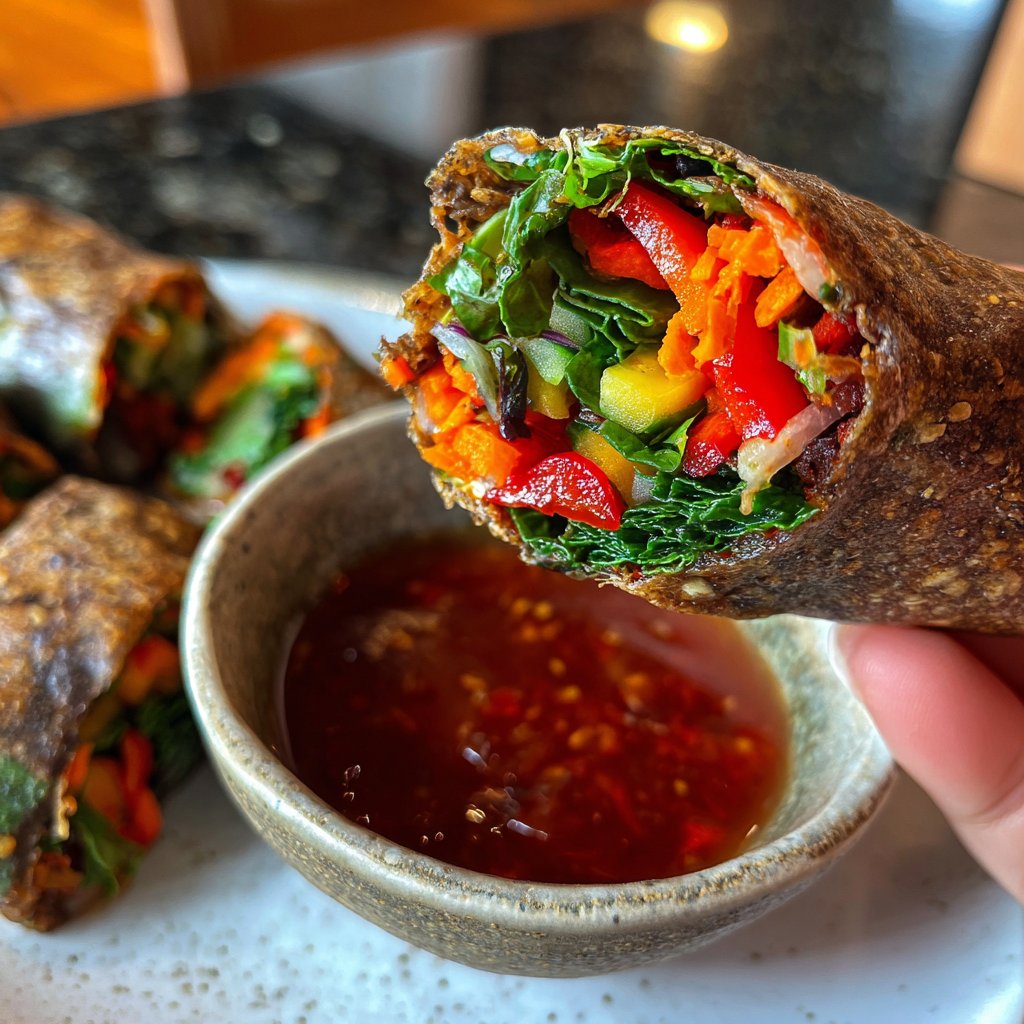
Super Bowl Veggie Spring Rolls
Super Bowl Veggie Spring Rolls
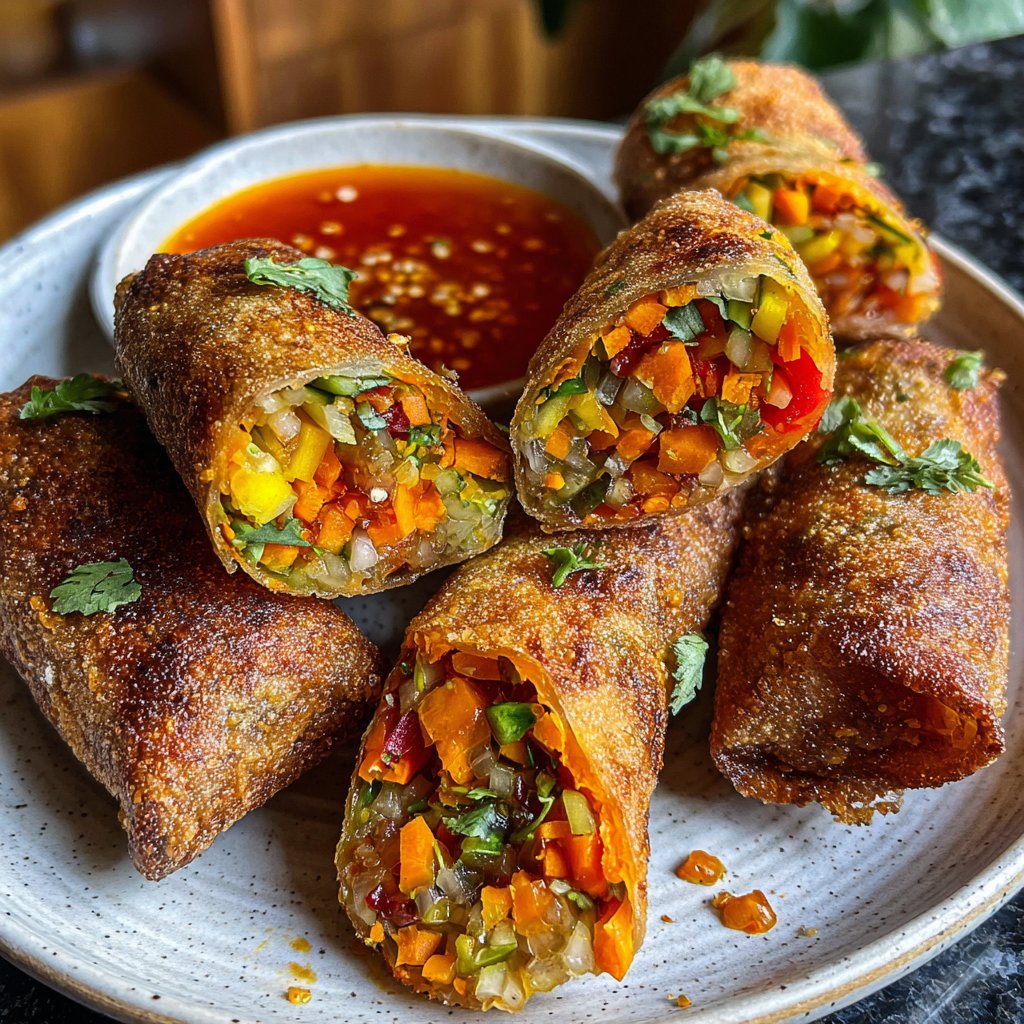
Key Techniques for Perfect Spring Rolls
One of the most important techniques when making spring rolls is to properly hydrate your rice paper wrappers. Soak them in warm water for about 10-15 seconds, ensuring they’re just pliable enough but not overly soft. If they become too mushy, they’ll tear when you try to roll them, leading to a frustrating assembly process. Practice makes perfect, and after a couple of tries, you’ll find that ideal balance.
When assembling your spring rolls, be sure to layer the filling appropriately. Start with a line of your chosen vegetables and herbs about a third of the way up the rice paper. This allows you to tuck and roll tightly without overflowing. The key is to create a firm roll without squeezing too hard, as this can cause the wrapper to split. I recommend placing the filling in a way where colors and textures peek through, adding an attractive visual element.
Ingredient Insights
Freshness is key when it comes to the vegetables in your spring rolls. Opt for crisp, vibrant produce; think julienned carrots, cucumber, and peppers. Not only do they add a satisfying crunch, but they also elevate the flavor with their natural sweetness. You can also experiment with herbs like mint or cilantro, which add a refreshing note that complements the hearty components. If you're looking for a protein boost, consider adding tofu or shrimp, which provide substance and enhance the taste.
If you're planning to make your rolls vegetarian or vegan, avocado is an excellent substitution for creamy texture without the dairy. Alternatively, you could use mashed chickpeas mixed with spices for a protein-packed filling. Remember that flavors develop as the rolls sit, so let them rest after assembly for about 10 minutes to let the ingredients mingle before serving.
Serving and Storing Tips
For serving, these spring rolls are divine when accompanied by a homemade dipping sauce. A simple mix of soy sauce, lime juice, and a bit of sriracha creates an invigorating dip that complements the fresh taste of the veggies. You could also try a peanut sauce for a richer, nutty flavor that pairs beautifully with the crisp rolls. Serve them on a large platter garnished with fresh herbs to create an inviting presentation.
If you have leftovers, store your spring rolls wrapped in damp paper towels and sealed in an airtight container in the fridge. They’re best eaten within one to two days. To revive their texture, you can lightly steam them for a few seconds before serving, which will rejuvenate the soft rice paper while maintaining the fresh crunch of the vegetables.
Scaling the Recipe
This recipe is easily scalable for larger gatherings. For every 5 additional spring rolls, increase each type of filling by about 1 cup. If you're making a gigantic platter for the Super Bowl, consider setting up a fun roll-your-own station with bowls of fillings and wrappers so guests can customize to their liking. This not only makes it interactive but also lets everyone choose their favorite combinations.
Plan for about 2-3 spring rolls per person, depending on the size of your other snacks. If you're making a buffet-style spread, having about 30 rolls will typically serve a smaller crowd of 10-15 people, alongside other appetizers. Just keep an eye on the rice paper wrappers; they usually come in packs of 10, so factor that into your scaling accordingly!
Nutritional Additions
If you're looking to boost the nutritional profile of your spring rolls, consider incorporating cooked quinoa or brown rice into your filling mix. These whole grains not only add fiber but also create a more filling dish, ensuring that your guests are satisfied. A quarter cup per roll is a perfect amount without overwhelming the vegetable flavors.
For those following specific dietary guidelines, make sure to check the labels on your sauces, as some may contain gluten or added sugars. Substituting a low-sodium soy sauce can help keep them healthier while maintaining flavor. Also, always opt for organic vegetables if possible, as they will provide the freshest taste and highest nutrients.
Common Mistakes to Avoid
One common mistake is not preparing all your ingredients ahead of time. If you leave your vegetables unchopped until after you soak the rice paper, it can lead to rushed and uneven rolls. Take the time to wash, slice, and organize your fillings beforehand. This will make the rolling process smoother and result in neater, more consistent spring rolls.
Another issue arises from overstuffing the rolls. It’s tempting to add a lot of filling, but this can lead to tears or an inability to roll them up properly. Stick to about 1/4 to 1/2 cup of filling for each roll. If you find your rolls are tearing, try using a finer hand when rolling or consider adjusting the temperature of your rice paper soaking water; cooler water can help retain firmness to the wrappers.