Buttery Croissant Recipes At Home
Highlighted under: Dessert Bliss
I’ve always had a love for buttery croissants, with their flaky layers and irresistible aroma. Making croissants at home seemed daunting at first, but after several attempts, I discovered a few key techniques that make the process enjoyable and rewarding. From the chilling of the dough to the careful folding that creates those beautiful layers, every step is a labor of love. The first time I took a bite of my freshly baked croissant, I knew all the effort was worth it. Trust me, once you try this recipe, you won't want to buy them from the store again!
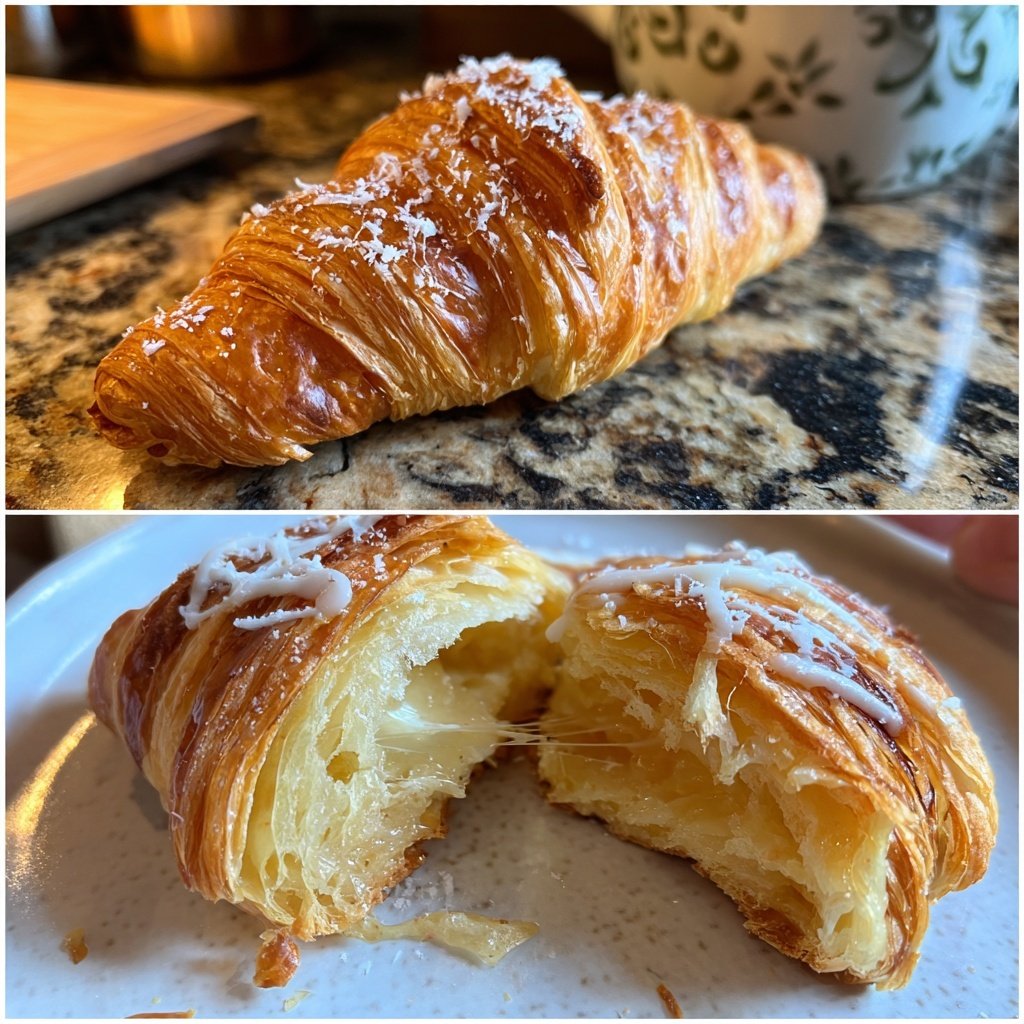
My journey to mastering buttery croissants began with a simple desire to recreate the flaky, buttery pastries I enjoyed in Paris. After several trials, I found that properly cold butter is crucial for achieving those perfect layers. I learned that rolling out the butter into a block, rather than just slicing it, helps in incorporating it evenly into the dough, resulting in a high-rise croissant.
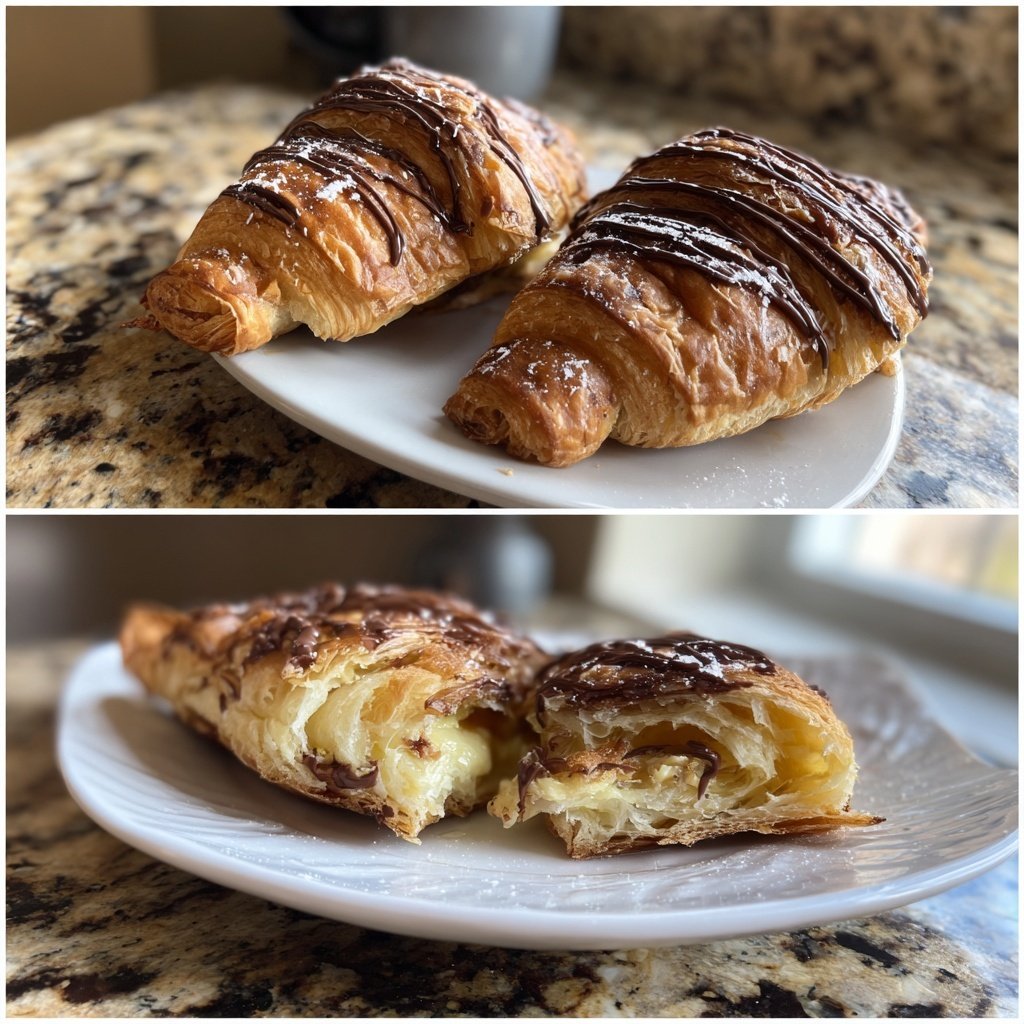
Part of the fun is in watching them puff up in the oven. I like to bake them in batches and experiment with fillings like almond paste or chocolate. Each time I make them, I discover new nuances about the dough, the folding technique, and how they respond to different temperatures. It’s never the same twice, and that keeps me coming back for more!
Why You Will Love This Recipe
- Perfectly flaky layers that melt in your mouth
- The satisfying aroma fills your kitchen while baking
- Versatile enough for sweet or savory fillings
Understanding the Dough
The dough is the foundation of your croissants, so getting it right is crucial. When mixing the ingredients, I recommend using room temperature milk to help activate the yeast properly. Kneading the dough for about 10 minutes until it is smooth and elastic is key; it should spring back when poked. If the dough is too sticky, a dusting of flour may be added, but beware of adding too much, as it can make the croissants tough.
After the initial mix and kneading, letting the dough rest for an hour will nurture those gluten strands. Look for it to double in size, which indicates that your yeast is active and ready to work its magic. A warm, draft-free environment works best for proofing; you can place it in an oven that’s turned off but has the light on for gentle warmth.
Perfecting the Lamination Process
Laminating the dough is where the magic happens. When you roll out the dough around the butter block, be sure to keep the butter cold to avoid melting during the rolling. I suggest using a rolling pin that has a comfortable grip, allowing you to exert even pressure. If at any point the dough becomes too soft or sticky, return it to the fridge for a quick chill; this prevents overworking the dough and maintains those essential flaky layers.
During the three folds, each time you tuck the edges in, you create more layers. Don’t rush this process—allowing the dough to rest between folds is crucial for the gluten to relax. Keep an eye on the dough; it should be smooth and slightly elastic. Each fold introduces more air, resulting in those delightful airy pockets when baked.
Ingredients
Gather these ingredients to make your perfect buttery croissants.
For the Dough
- 500g all-purpose flour
- 10g salt
- 40g granulated sugar
- 12g active dry yeast
- 300ml whole milk
- 40g unsalted butter, melted
For the Butter Block
- 250g unsalted butter, cold
Make sure to have everything measured out accurately for the best results!
Instructions
Follow these steps carefully for the best buttery croissants.
Make the Dough
In a bowl, combine flour, salt, sugar, yeast, milk, and melted butter. Knead until smooth, about 10 minutes. Let rest for 1 hour until doubled in size.
Prepare the Butter Block
Place the cold butter between two sheets of parchment paper and pound it into a 20x20 cm square. Chill it in the refrigerator.
Laminate the Dough
Roll the dough into a rectangle, place the chilled butter block in the center, and fold the dough over it. Roll out and fold the dough in thirds, repeating this process three times, chilling between folds.
Shape the Croissants
Roll the laminated dough into a large rectangle and cut into triangles. Starting from the base, roll towards the tip to form croissants. Place on a baking tray and proof for 1-2 hours.
Bake the Croissants
Preheat the oven to 190°C (375°F). Brush the croissants with an egg wash and bake for 20-25 minutes until golden brown.
Allow the croissants to cool slightly before enjoying them warm!
Pro Tips
- Tip: For an extra flaky finish, aim to keep your dough and butter cold throughout the process. Work in a cool kitchen if possible.
Tips for Shaping the Croissants
When cutting the triangles for your croissants, use a sharp knife or pizza cutter to ensure clean edges. Each triangle should ideally be about 10 cm wide at the base for optimal rolling. After cutting, gently stretch the base before rolling; this helps create that signature crescent shape. If you want to add fillings like chocolate or almond paste, place them at the base before rolling up the triangles.
Proofing your shaped croissants is essential. A covered proofing environment will retain moisture, ensuring the croissants don’t dry out while they rise. You want them to puff up nicely, almost doubling in size if possible, which might take around 1-2 hours in a warm spot. However, be careful not to over-proof; otherwise, they may collapse during baking.
Baking for Perfect Texture
The right oven temperature is vital for perfect croissants. Preheat your oven to 190°C (375°F), and consider using a baking stone or a heavy baking tray to help regulate the heat, as this will result in a more even bake. Bake the croissants until they’re golden brown and flaky—this should take about 20-25 minutes. Keep a close watch towards the end to avoid over-baking, as they can quickly transition from golden to burnt.
An egg wash before baking not only adds a beautiful sheen but also helps achieve that desirable crispness on the outside. Use a mixture of one egg beaten with a tablespoon of milk; apply it gently with a brush, avoiding pooling at the base to prevent soggy bottoms.
Questions About Recipes
→ Can I make the dough ahead of time?
Yes, you can refrigerate the dough overnight after the first rise, then continue with the lamination process the next day.
→ What can I use instead of all-purpose flour?
You can substitute with bread flour for a slightly chewier texture; just keep an eye on hydration levels.
→ How can I ensure my croissants are flaky?
Maintaining the cold temperature of the butter and dough is essential for achieving those flaky layers.
→ Can I freeze the croissants after baking?
Yes, baked croissants freeze well. Just wrap them tightly and reheat in the oven when you’re ready to enjoy.
Buttery Croissant Recipes At Home
Created by: Eden Clarke
Recipe Type: Dessert Bliss
Skill Level: Intermediate
Final Quantity: 12 croissants
What You'll Need
For the Dough
- 500g all-purpose flour
- 10g salt
- 40g granulated sugar
- 12g active dry yeast
- 300ml whole milk
- 40g unsalted butter, melted
For the Butter Block
- 250g unsalted butter, cold
How-To Steps
In a bowl, combine flour, salt, sugar, yeast, milk, and melted butter. Knead until smooth, about 10 minutes. Let rest for 1 hour until doubled in size.
Place the cold butter between two sheets of parchment paper and pound it into a 20x20 cm square. Chill it in the refrigerator.
Roll the dough into a rectangle, place the chilled butter block in the center, and fold the dough over it. Roll out and fold the dough in thirds, repeating this process three times, chilling between folds.
Roll the laminated dough into a large rectangle and cut into triangles. Starting from the base, roll towards the tip to form croissants. Place on a baking tray and proof for 1-2 hours.
Preheat the oven to 190°C (375°F). Brush the croissants with an egg wash and bake for 20-25 minutes until golden brown.
Extra Tips
- Tip: For an extra flaky finish, aim to keep your dough and butter cold throughout the process. Work in a cool kitchen if possible.
Nutritional Breakdown (Per Serving)
- Calories: 250 kcal
- Total Fat: 15g
- Saturated Fat: 9g
- Cholesterol: 30mg
- Sodium: 110mg
- Total Carbohydrates: 28g
- Dietary Fiber: 1g
- Sugars: 1g
- Protein: 6g